US-Iran Tensions Surge: 2026 War Alert Issued Amid Strait of Hormuz Crisis and Global Diplomatic Standoff

The geopolitical landscape of the Middle East is once again on high alert as tensions between the United States and Iran escalate in 2026, triggering a potential regional conflict and significant disruption to global trade. Recent intelligence reports, corroborated by observations on the ground and detailed in the latest developments on the latest developments on Veltrix News, indicate a sharp increase in Iranian military posturing and retaliatory rhetoric against perceived US provocations. This heightened state of alert encompasses increased naval activity in critical waterways, particularly the Strait of Hormuz, a vital chokepoint for global oil transport, and a renewed focus on regional proxy engagements. The international community is closely monitoring the situation, with diplomatic channels working overtime to de-escalate the crisis and prevent a wider conflagration. The current standoff marks a critical juncture, with the potential for miscalculation carrying severe consequences for regional stability and the global economy.
Conflict Matrix Fact Sheet: US-Iran Standoff 2026
| Key Element | Details |
|---|---|
| Key Nations Involved | United States of America, Islamic Republic of Iran |
| Primary Flashpoint Area | Persian Gulf, Strait of Hormuz, Regional proxy battlegrounds (e.g., Syria, Iraq, Yemen) |
| Current Escalation Level | High |
| Key Military/Diplomatic Personnel | US President, US Secretary of Defense, Chairman of the Joint Chiefs of Staff; Iranian Supreme Leader, Iranian President, Commander of the IRGC; UN Secretary-General |
| Major Alliances Active | US-led coalition, Iranian-aligned regional groups (e.g., Hezbollah, Houthi rebels, Iraqi militias) |
| Current Status | Heightened military readiness, Increased naval patrols, Diplomatic efforts underway to de-escalate, Potential for limited engagements |
Deep-Dive Core Developments & Regional Impact
The current surge in US-Iran tensions in 2026 is not an isolated incident but rather a culmination of decades of complex geopolitical dynamics, sanctions, and proxy conflicts. Iran’s strategic objective often appears to be the assertion of its regional influence and the challenging of US dominance in the Middle East, while the United States aims to counter Iranian expansionism and ensure the unimpeded flow of global commerce. Recent intelligence suggests a significant increase in Iranian Revolutionary Guard Corps (IRGC) naval exercises in the Persian Gulf, including simulated attacks on maritime targets and the deployment of advanced drone technology. These exercises are interpreted by US military analysts as a clear signal of intent and a potential precursor to disruptive actions, particularly within the Strait of Hormuz.
Proxy Dynamics Intensify
The proxy war element of the US-Iran conflict remains a persistent source of instability. In Syria, reports indicate a renewed surge in Iranian-backed militia activity, potentially targeting US-led coalition forces or their allies. Similarly, in Yemen, the Houthi movement, widely believed to receive support from Tehran, has escalated its rhetoric and operational tempo against Saudi Arabia and its allies, raising concerns about the direct involvement of regional powers. The ongoing civil conflicts in Iraq and Lebanon also continue to serve as arenas for this broader geopolitical struggle, with Iranian proxies often clashing with elements supported by or aligned with US interests. These proxy engagements, while not direct confrontations between US and Iranian forces, carry a significant risk of miscalculation and unintended escalation.
Naval Movements and Security Alerts
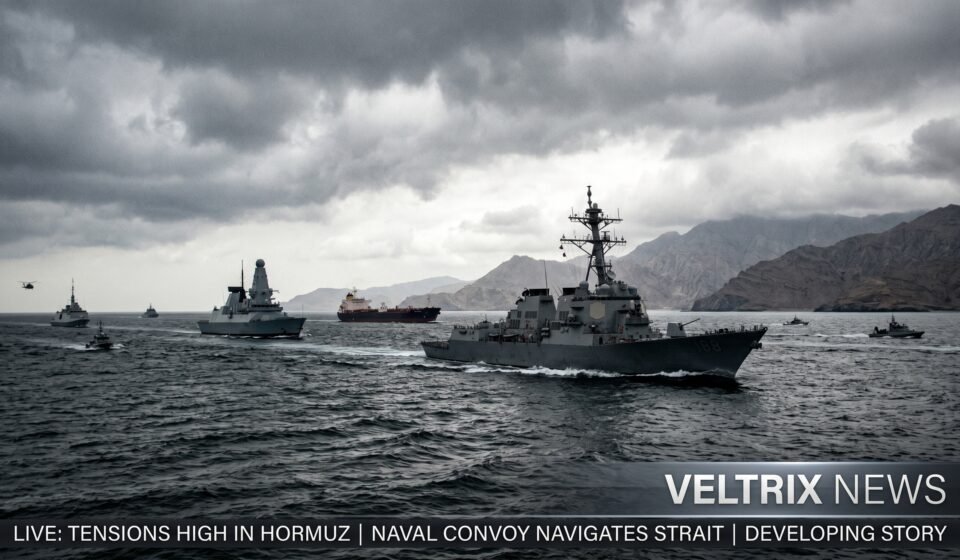
The waters of the Persian Gulf and the Strait of Hormuz are the most immediate concern. The US Navy, alongside its regional allies, has augmented its presence, increasing patrols and conducting drills designed to ensure freedom of navigation and deter potential Iranian aggression. Iranian naval units, including fast-attack craft and missile-equipped vessels, have been observed operating in closer proximity to commercial shipping lanes, a tactic often employed to project power and signal readiness. Security alerts have been issued to all maritime traffic transiting the region, advising heightened vigilance. The potential for Iran to attempt to disrupt shipping, either through direct interference or the mining of waterways, remains a critical concern for global energy markets. The deployment of advanced Iranian missile systems along the coast also presents a significant threat to naval assets operating in the vicinity.
Regional Alliances Under Strain
The heightened tensions are placing considerable strain on regional alliances. Middle Eastern nations, particularly those allied with the United States, are wary of being drawn into a direct conflict. Saudi Arabia and the UAE, long-standing rivals of Iran, have bolstered their defenses and are coordinating closely with US military planners. Conversely, nations with closer ties to Tehran are closely observing the situation, with potential implications for regional trade and security pacts. The broader implications extend to global superpowers, with Russia and China expressing concerns about regional stability and advocating for de-escalation through diplomatic means, while also potentially seeking to leverage the situation for their own strategic advantages. The delicate balance of power in the region is being severely tested.
Official Statements & Global Superpower Responses
White House / US Pentagon Stance
The White House and the Pentagon have issued stern warnings to Iran, reiterating their commitment to the unimpeded flow of commerce through international waterways and the defense of US interests and allies in the region. US officials have publicly stated that any attempt by Iran to interfere with maritime traffic in the Strait of Hormuz would be met with a decisive response. The Pentagon has confirmed increased readiness of its forces in the Middle East, including naval assets and air power, to deter aggression and respond to any threats. Diplomatic efforts are also underway, with US envoys engaging with regional partners to coordinate a unified stance and de-escalate tensions. The emphasis remains on deterrence and the clear communication of red lines, while also leaving room for diplomatic engagement.
Tehran / Iranian Leadership Response
Iranian leadership, including officials from the Supreme National Security Council and the IRGC, have vehemently denied any intention to disrupt international shipping. They have framed the increased military exercises as defensive maneuvers aimed at safeguarding Iranian national interests and deterring potential aggression from the United States and its allies. Iranian media outlets have amplified messages of national resilience and readiness to respond to any US threats, often highlighting historical grievances and the impact of sanctions. Tehran has also accused the US of creating instability in the region through its military presence and support for regional adversaries. Calls for self-defense and the protection of Iranian sovereignty are consistently echoed by Iranian officials.
UN / International Community Mediation Efforts
The United Nations Secretary-General has called for immediate de-escalation from all parties involved, emphasizing the catastrophic consequences of a wider conflict in the Middle East. UN diplomats are actively engaged in shuttle diplomacy, attempting to facilitate dialogue between the US and Iran and encouraging restraint. Several European nations and other international bodies have also voiced their concerns and are supporting mediation efforts, urging a return to the negotiating table and a focus on diplomatic solutions. The potential impact on global energy markets and the broader international economy has galvanized efforts to prevent a military confrontation. The international community broadly favors a peaceful resolution, recognizing the interconnectedness of global stability and the prosperity of international trade.
Economic Triggers & Global Oil Market Impact
The escalating tensions between the United States and Iran in 2026 have sent immediate shockwaves through the global oil market. Brent Crude futures have seen a significant uptick in price, reflecting market anxieties about potential disruptions to supply from the Persian Gulf. The Strait of Hormuz is a critical chokepoint, through which approximately 20% of global oil consumption passes. Any interruption, whether through direct military action, sanctions, or general instability, could lead to sharp price increases and volatility. International shipping companies are on high alert, with some considering rerouting vessels or imposing surcharges for transit through the affected waters. This instability could have cascading effects on global supply chains, increasing the cost of goods and contributing to inflationary pressures worldwide. The reliance of many economies on Middle Eastern oil makes this standoff a matter of significant global economic concern.
Live Updates & Strategic Outlook
As of Wednesday, June 3, 2026, diplomatic channels remain intensely active, with behind-the-scenes negotiations reportedly underway to de-escalate the immediate crisis. While military posturing continues, there are indications that neither side is currently seeking a full-scale engagement, with both sides likely weighing the immense costs. Security analysts are closely monitoring for any shifts in naval deployments and air traffic in the region. The potential for a miscalculated incident remains a critical threat. Future developments will likely hinge on the success of ongoing diplomatic efforts and the ability of regional and international powers to exert influence and encourage restraint. For continuous real-time analysis and breaking news on this evolving situation, please check current updates on Veltrix News Online Portal.